Lively workshop held at Tallinn University, expanding international network of philosophers
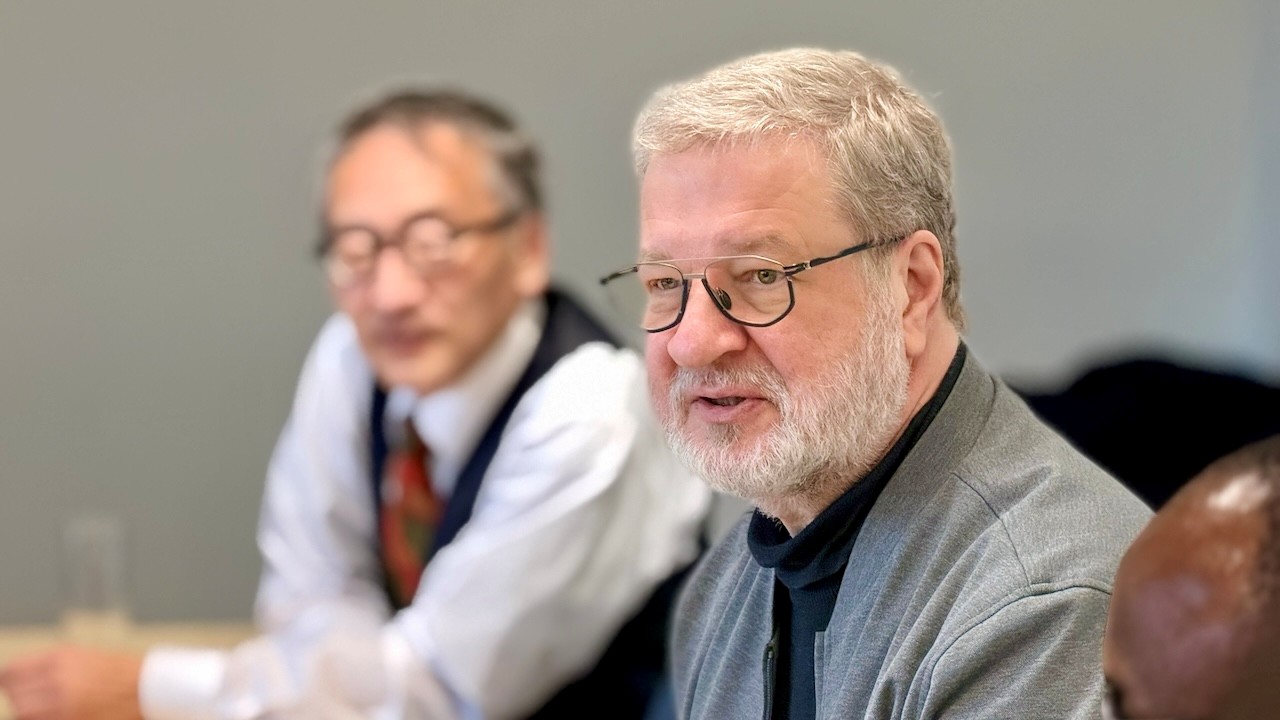
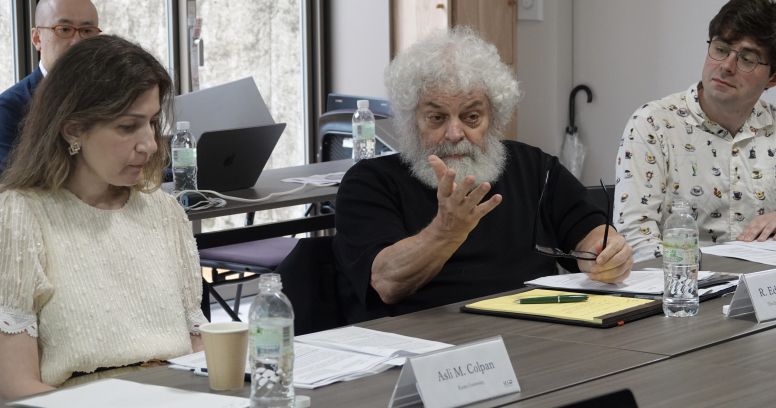
The Kyoto Institute of Philosophy co-hosted the "Value Pluralism and Moral Realism" international workshop at Tallinn University in Estonia from March 10 to 12. The event was jointly organized with Tallinn University Professor Rein Raud and made possible with the cooperation of Rector Tõnu Viik.
Details
The workshop grew out of the draft of the KIP White Paper (September 2025) presented by the Institute at the inaugural Kyoto Conference last September. Inspired by the draft White Paper's exploration of the multilayered nature of values, Professor Raud proposed the workshop as a forum to examine the relationship between value pluralism and moral realism in greater depth.
Over the three days, philosophers from Ghana, Kenya, East Asia, continental Europe, the United Kingdom, the United States, and the Baltic states engaged in wide-ranging discussions spanning West African Akan communitarian ethics, classical Chinese philosophy, Western moral realism, ontological anthropology, and conceptual engineering.
On the opening day, after Rector Viik delivered welcoming remarks, a pre-conference roundtable was held to examine the concept of values from the perspective of African philosophy. The second day featured a public lecture by University of Bonn Professor Markus Gabriel, Senior Global Advisor to the Institute, titled "Moral Facts: Why They Exist and How We Can Know Them," in which he argued from the standpoint of New Realism that moral facts can exist objectively and can hold universal significance even when rooted in specific situations. On the final day, Kyoto University Professor Yasuo Deguchi, Co-Chairperson of the Institute, joined Professor Gabriel for a session on "How to Understand Multilayered Values," sparking a lively exchange of ideas.
The workshop also led to new academic connections with researchers in Africa, the Baltic states, and the Netherlands. The Institute intends to continue expanding this international network of philosophical dialogue.
Others